WEBSITE ORDER FACILITY WILL BE AVAILABLE SOON
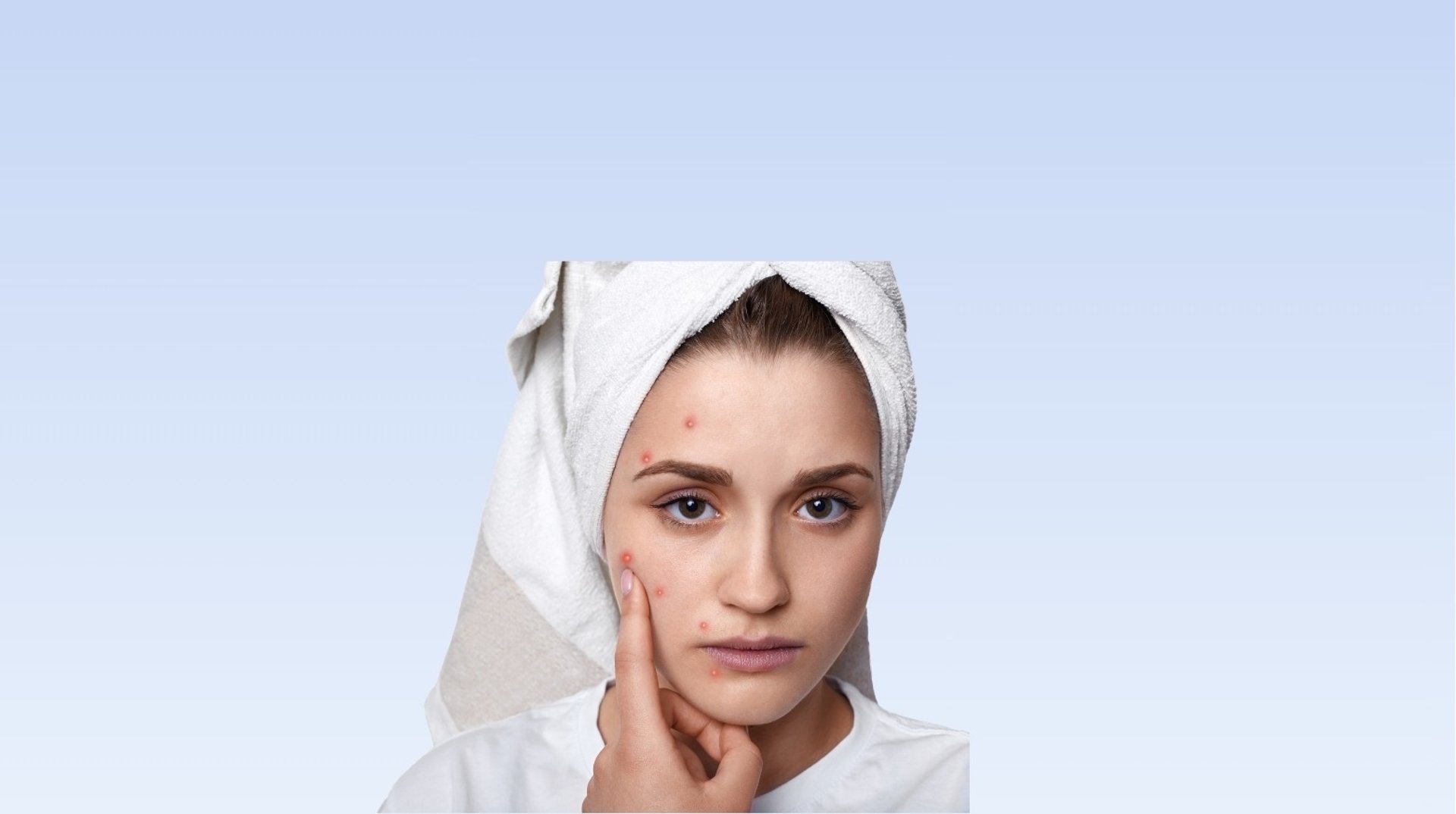
Skin Health Guide
Acne & Pimples
A complete guide to understanding what causes acne, identifying your type, and building an effective skincare routine — from gentle daily care to clinical treatments.
What Is Acne and Why Does It Happen?
Acne is a chronic inflammatory skin condition that occurs when hair follicles become blocked with a combination of excess sebum (skin oil), dead skin cells, and bacteria — primarily Cutibacterium acnes (formerly Propionibacterium acnes). This blockage creates the perfect environment for bacterial growth, triggering inflammation and the formation of spots, pimples, cysts, and nodules.
Acne most commonly appears on the face, neck, chest, back, and shoulders — areas with the highest concentration of oil-producing sebaceous glands. While it is most prevalent during adolescence due to hormonal surges, acne affects people of all ages and can persist well into adulthood, particularly in women due to hormonal fluctuations linked to menstrual cycles, pregnancy, and menopause.
Causes, Treatments & Clear Skin
Understanding Acne
85%
People affected at some point in life
#1
Most common skin condition globally
6–12
Weeks for treatments to show results
Acne is not caused by poor hygiene. Over-washing or scrubbing can actually worsen breakouts by stripping the skin's natural barrier, triggering more oil production and further inflammation. Gentle, consistent skincare is always more effective.
It's not about being "dirty"
With the right combination of skincare, lifestyle adjustments, and where needed, clinical treatment, virtually all forms of acne can be effectively managed. The key is understanding your specific acne type and treating it accordingly.
It's highly treatable
Root Causes
C. acnes bacteria thrive in oxygen-deprived, sebum-rich blocked pores. Their presence triggers the immune response that causes the redness, swelling, and pain of inflammatory acne.
Androgens (testosterone and DHT) stimulate sebaceous glands to produce excess oil. This is why acne spikes during puberty, the menstrual cycle, pregnancy, and conditions like PCOS.
What Causes Acne & Pimples?
Bacterial overgrowth
Acne is multifactorial — rarely caused by a single trigger. Understanding your personal causes helps you choose targeted treatments and make lifestyle adjustments that make a genuine difference.
Hormonal fluctuations
Excess sebum production
Overactive oil glands produce more sebum than necessary, creating the sticky environment that traps dead skin cells inside pores and feeds acne-causing bacteria.
Dead skin cell build-up
Without regular exfoliation, dead skin cells accumulate on the surface and inside pores, contributing to blockages. Slow cellular turnover worsens this effect.
Diet & blood sugar
High-glycaemic foods (white bread, sugary drinks, refined carbs) spike insulin levels, which in turn stimulate androgen production and sebum output. Dairy has also been linked to acne in some studies.
Stress
Cortisol (the stress hormone) triggers increased androgen activity and sebum production. Stress also impairs the skin barrier and delays healing of existing blemishes.
Comedogenic products
Skincare, hair, and makeup products containing pore-blocking (comedogenic) ingredients — like coconut oil, lanolin, or certain silicones — can trigger breakouts in acne-prone skin.
If one or both parents experienced significant acne, you are considerably more likely to as well. Genetic factors influence sebum production, skin cell turnover rate, and inflammatory response.
Genetics
How to use
Warm a herbal oil (Bhringraj, Rosemary in coconut, or Brahmi oil) and massage into the scalp for 5–10 minutes using circular motions. Leave for a minimum of 1 hour — overnight is ideal. This stimulates circulation, nourishes follicles, and prepares the scalp for cleansing.
A complete herbal hair care routine
Pre-wash oil massage (1–2x per week)
Herbal shampoo cleanse (2–3x per week)
Use a sulphate-free herbal shampoo with Shikakai, Reetha, or Neem. Focus on the scalp rather than the lengths. Avoid hot water — lukewarm water opens the cuticle gently and warm (not hot) water to rinse. Double-cleanse if you've used heavy oil.
Herbal conditioner or mask (every wash)
Apply a herbal conditioner with Hibiscus, Amla, or Aloe Vera to mid-lengths and ends. For a weekly deep treatment, substitute with a Fenugreek or Henna mask left on for 20–30 minutes before rinsing thoroughly.
Herbal rinse (optional, weekly)
After your final rinse, pour a cooled Hibiscus tea or Amla water rinse over the hair. Do not rinse out. This seals the cuticle, adds shine, and gently balances scalp pH. Pat dry — do not rub vigorously.
Scalp serum application (daily or nightly)
Apply a few drops of a Rosemary or Peppermint scalp serum directly to thinning areas and massage in. No need to rinse. Use consistently — most herbal growth ingredients require 3–6 months of daily use to show measurable results.
Oral supplement (daily, optional)
For hair loss concerns, consider a daily Saw Palmetto or Amla supplement alongside your topical routine. Always consult your doctor before starting any supplement, particularly if on medication or pregnant.
FAQ
Why is my acne getting worse before it gets better?
This is known as "purging" — a temporary increase in breakouts when starting new active ingredients (particularly retinoids and AHAs) that speed up cell turnover, bringing existing congestion to the surface faster. True purging lasts 4–6 weeks and only occurs in areas where you normally break out. If new spots appear in unusual areas or irritation is severe, the product may not suit your skin.
Should I see a dermatologist or can I treat acne myself?
Mild to moderate acne (whiteheads, blackheads, occasional papules and pustules) can often be effectively managed with a well-chosen OTC routine. You should see a dermatologist if you have nodular or cystic acne, acne that doesn't respond to 3 months of OTC treatment, acne causing significant scarring, or acne with a strong hormonal component. Early professional intervention prevents long-term scarring.
Does diet really affect acne?
Yes — research increasingly supports a link between diet and acne, particularly for high-glycaemic foods (sugary drinks, white bread, refined carbohydrates) and in some individuals, dairy. These foods spike insulin and IGF-1 levels, which stimulate sebum production and androgens. However, diet triggers are highly individual — keeping a food diary alongside your skincare journal can help identify your personal patterns.
Is Roaccutane (Isotretinoin) safe?
Isotretinoin is highly effective — often producing permanent remission — but comes with significant potential side effects including extreme dryness, mood changes, and severe birth defects if taken during pregnancy. It requires careful monitoring by a dermatologist with regular blood tests and strict contraception for women of childbearing age. For severe, treatment-resistant, or scarring acne, its benefits usually outweigh the risks when used under proper supervision.
Can adults get acne — isn't it just a teenage problem?
Adult acne is extremely common and affects up to 50% of women and 25% of men in their 20s and 30s, with many continuing to experience breakouts into their 40s and 50s. Adult acne is often hormonal in nature, typically appearing on the lower face, chin, and jawline. It can be triggered by stress, hormonal changes, certain medications, or comedogenic products and responds well to targeted treatment.
Can I wear makeup if I have acne?
Yes — with the right products. Choose non-comedogenic, oil-free, or mineral-based makeup formulations. Avoid heavy, full-coverage foundations in favour of lighter, breathable formulas. Always remove makeup thoroughly before bed using a gentle cleansing oil or micellar water followed by a water-based cleanser. Clean your makeup brushes regularly to prevent bacterial transfer.
Why do I only break out in certain areas of my face?
Facial mapping suggests different zones relate to different causes: forehead breakouts often link to stress or hair products; nose and chin (T-zone) to excess oil production; cheeks to phone contact, pillowcases, or diet; jawline and lower face to hormonal fluctuations. While not an exact science, noticing patterns in where your acne appears can point to likely triggers worth investigating.
Frequently Asked Questions