WEBSITE ORDER FACILITY WILL BE AVAILABLE SOON
Aesthetic Medicine
Botox & Dermal Fillers Explained
Everything you need to know about two of the world's most popular non-surgical cosmetic treatments — from how they work to what to expect.
Overview
What Are These Treatments?
Botox (botulinum toxin type A) and dermal fillers are both injectable cosmetic treatments, but they work in entirely different ways. Botox relaxes the muscles responsible for dynamic wrinkles — the kind formed by repetitive expressions like smiling, squinting, or frowning. Fillers, on the other hand, add volume, plump specific areas, and smooth static lines that are visible even when your face is at rest.
Both are performed in-clinic without general anaesthesia, take under an hour, and require little to no downtime. Together, they form the cornerstone of modern non-surgical facial rejuvenation
How They Work
Most modern fillers use hyaluronic acid (HA) — a naturally occurring sugar molecule found in your skin. Injected beneath the skin, HA fillers attract and retain water molecules, creating instant volume and structure. They integrate with surrounding tissue, and results last 6–18 months depending on the product used and the area treated. HA fillers are fully reversible with hyaluronidase enzyme.
Botox is a purified protein derived from Clostridium botulinum. When injected in precise, micro-doses, it temporarily blocks the nerve signals that cause muscle contractions. The targeted muscle relaxes, softening lines above it. Effects are visible within 3–7 days and typically last 3–4 months, after which the nerve signals gradually return to normal.
Botox / Botulinum
The Science Behind the Results
Dermal Fillers
What to Expect
Consultation
A thorough consultation with a qualified practitioner to discuss your concerns, review your medical history, and agree on a tailored treatment plan. Photographs are often taken for comparison.
Preparation
The treatment area is cleansed and a topical numbing cream may be applied. For fillers, a dental block may be used for lip treatments. Most practitioners advise avoiding blood thinners (aspirin, ibuprofen, alcohol) for 48 hours beforehand to minimise bruising.
Treatment
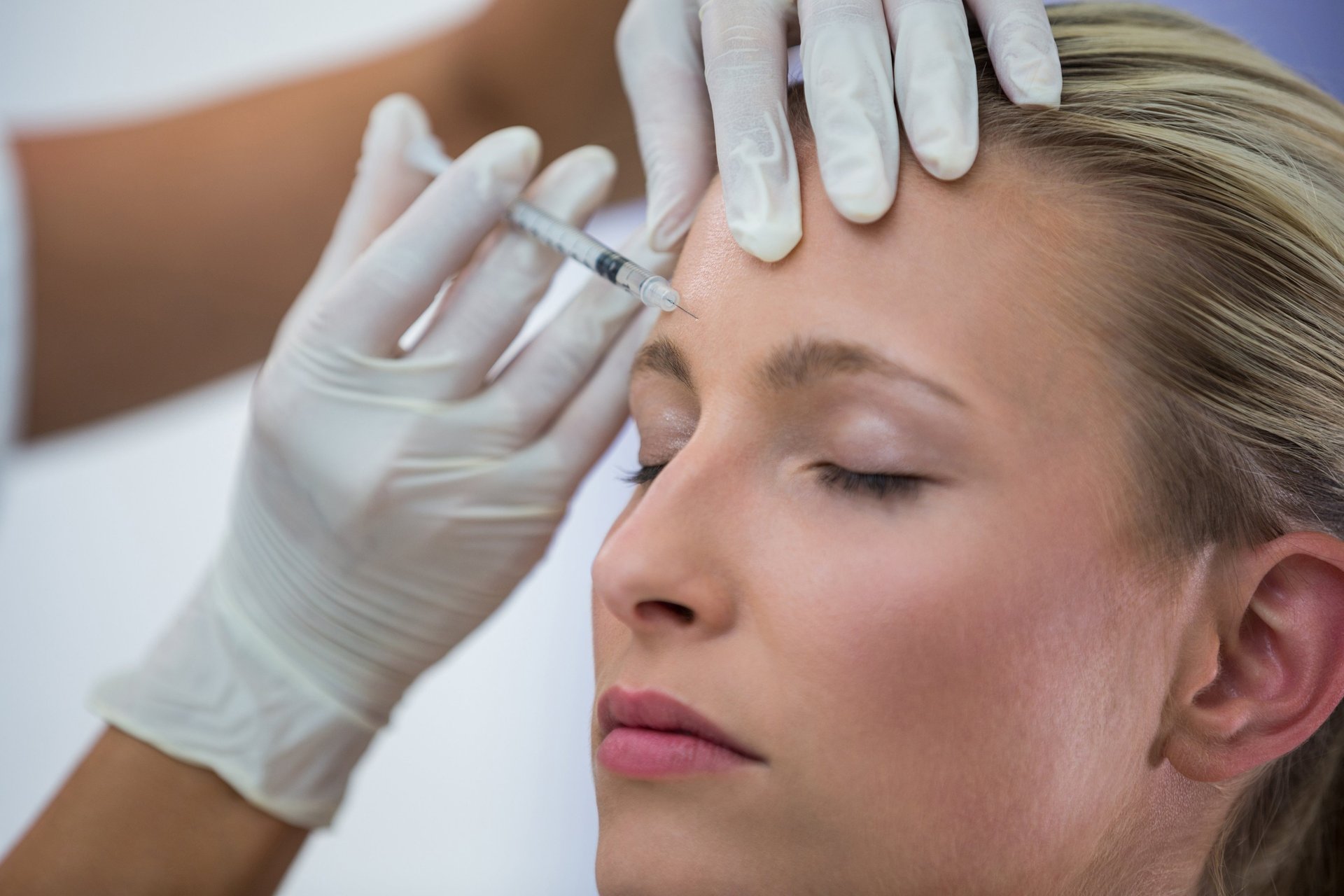
Precise, targeted injections are administered using very fine needles or, for fillers, a cannula (blunt-tipped needle). Most patients describe a mild pinching sensation. The procedure takes 10–45 minutes depending on the treatment.
Immediate Aftercare
Mild redness, swelling, or bruising at injection sites is normal and resolves within a few hours to a few days. Avoid strenuous exercise, heat exposure, and lying flat for 4 hours post-Botox. With fillers, gentle massage may be recommended to settle the product.
Review & Maintenance
A follow-up appointment is typically offered 2 weeks post-treatment to assess results and perform any top-ups. Regular maintenance appointments help maintain results long-term, and many patients find they need smaller doses over time as muscles respond to the treatment.
Your Treatment Journey
Frequently Asked Questions
Does it hurt?
Botox involves very small needles and most patients describe a brief, mild pinching sensation. Filler treatments vary — lip injections can be more uncomfortable, which is why practitioners often use topical or dental block anaesthesia. Overall, the procedure is well-tolerated.
Will I look frozen or unnatural?
This is the most common concern — and the good news is that it's entirely preventable with an experienced injector. Good Botox should leave you looking refreshed and natural, never frozen. An aesthetic approach uses conservative doses that allow natural movement while smoothing lines.
Can I combine Botox and fillers?
Yes — combination treatments are very common and often produce the best full-face results. Botox addresses dynamic lines in the upper face, while fillers restore volume and contour the mid and lower face. This approach is sometimes called a "liquid facelift."
What happens when filler dissolves?
As hyaluronic acid filler is metabolised naturally by your body over time, treated areas gradually return to their pre-treatment appearance. You will not look worse than before — your face simply reverts to baseline. You can choose to have top-ups to maintain results.
How do I choose the right practitioner?
Look for a regulated healthcare professional (doctor, nurse, or dentist) with specialist aesthetic training